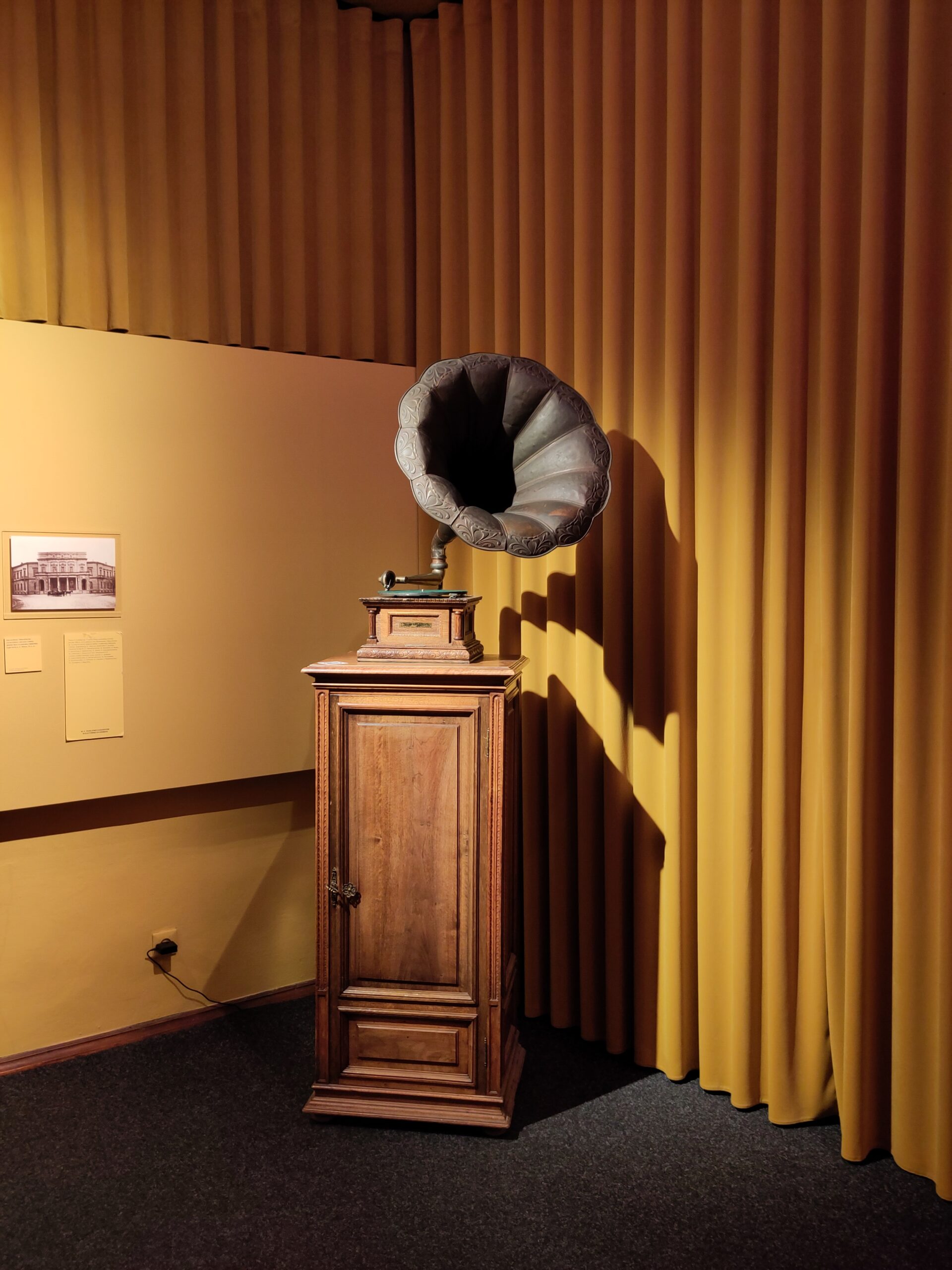
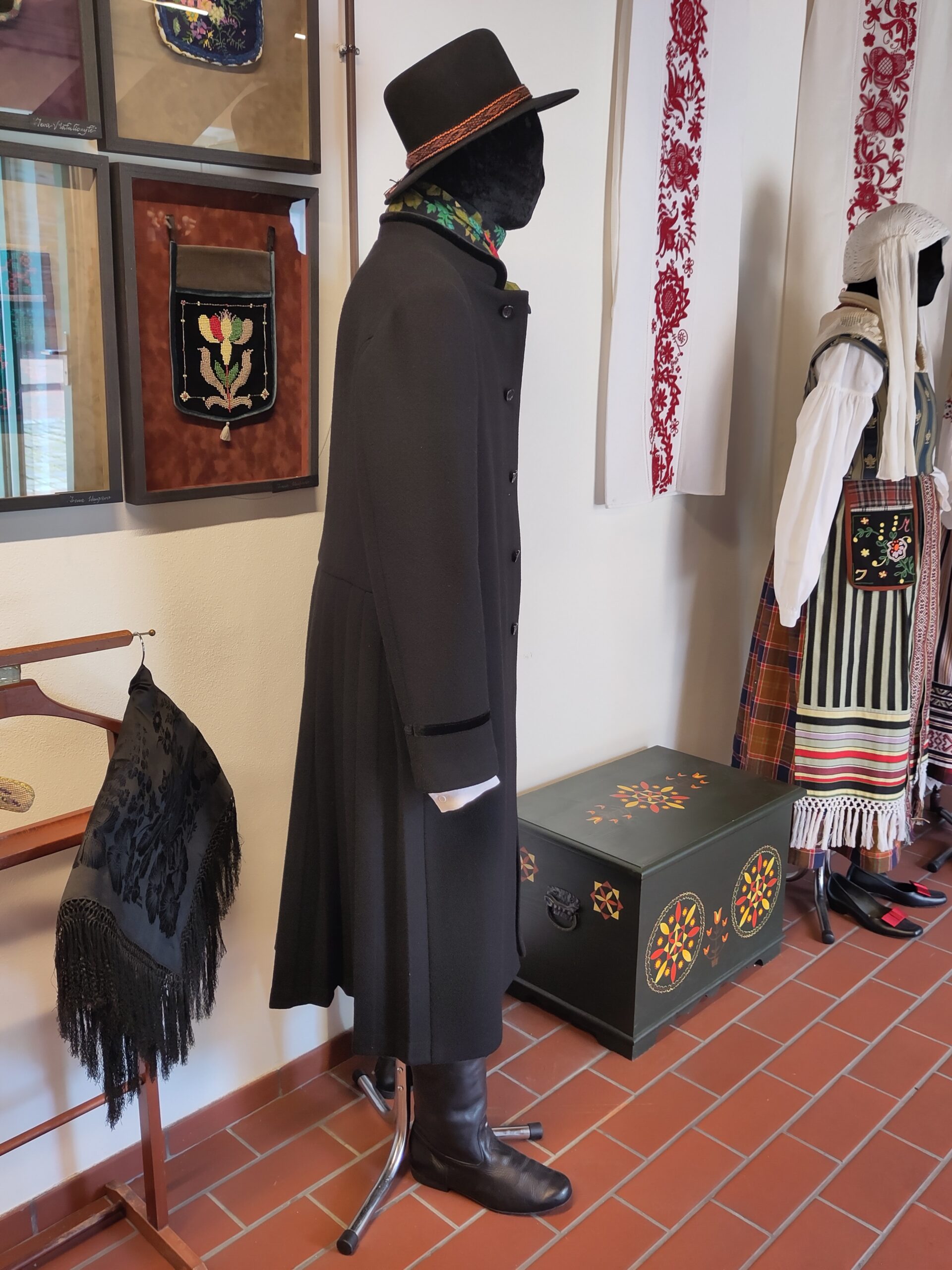
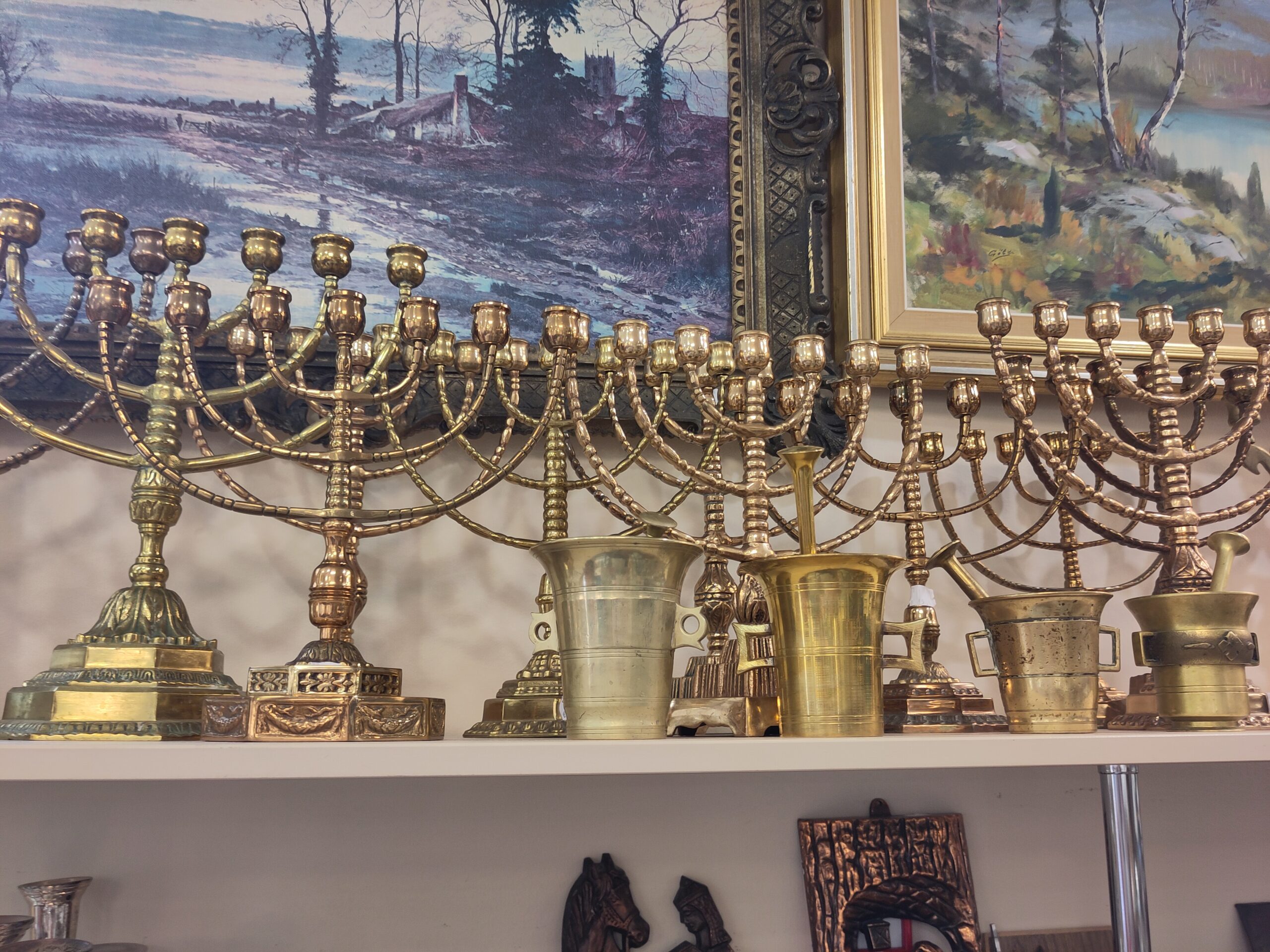
They oy vey tour continued with some cool artefacts
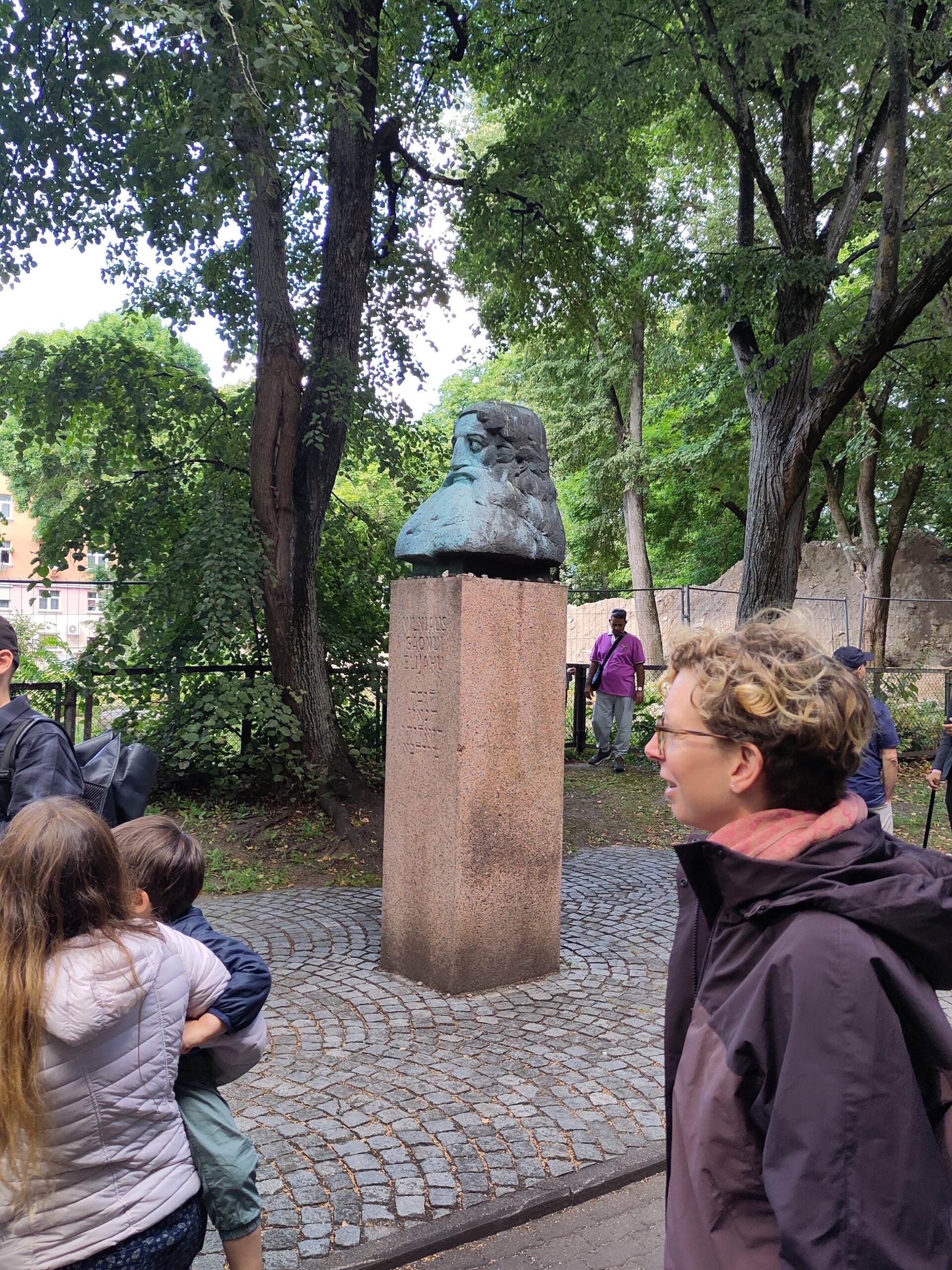
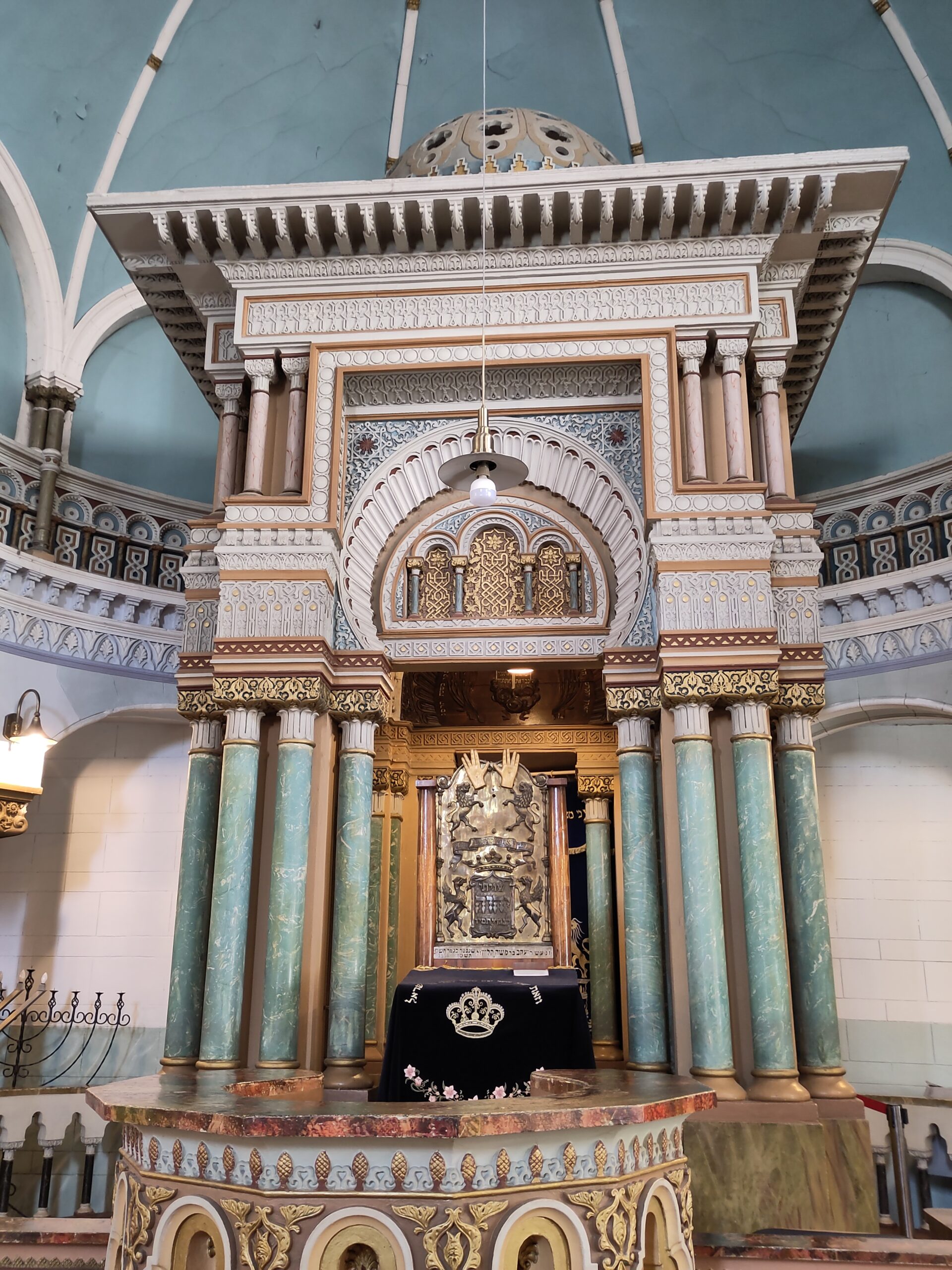
A statue of the Genius of Vilnuis. The sculptor made it in the 1950s, but it wasn’t considered an acceptable subject under Soviet rule, so it sat in his attic for decades.The choral synagogue of Vilnius
But the vibe of the tour tended to focus on the negative.
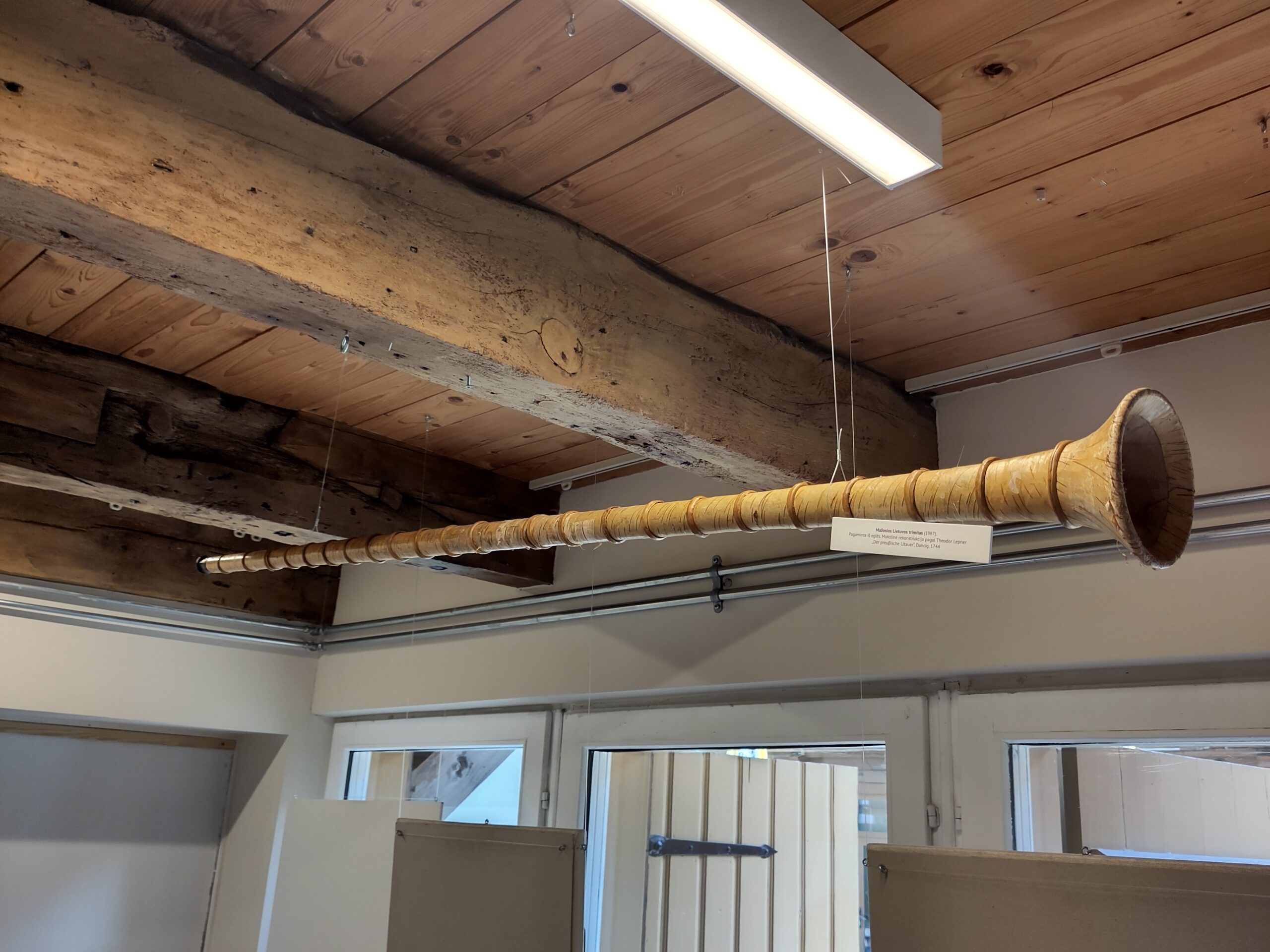
I have come to what turns out not to be a musical instrument museum, but which has a massive exhibition of one of the national composers of Lithuania.
He dates from the early 20th, century, so this is a project of looking backwards for hope, maybe? I don't know. This isn't my period, but I don't think he's internationally known and all the text is in Lithuanian.
There is however one room playing a recording that sounds quite original and which is very nice.
Čiurlionio is the composer but I can't figure out the name of the orchestral piece. It sounds a bit spectralist. Edit: it might be called Psalmė
Why are so many memorials being constructed specifically now, especially in places like the Baltics?
My speculative answers:
1. They reflect the funding priorities of international granting organisations, some of which comes from things like Americans looking back to the stories of their great grandparents and some of which reflects a desire to do something about growing antisemitism. Conventional wisdom is that Holocaust education is an effective way to counter hate.
2. As the survivors die of old age, there is an urgent need to institutionalise their memories.
3. The perpetrators, the majority of whom were not German but local, are safely dead.
4. Germany is a major source of funding for Shoah memorial projects and is also a key military ally of the Baltics. The Baltic states do not have the resources to fight Russia without help and NATO is not currently reliable. This gives Germany a lot of soft power to advance its cultural projects, even if they expose uncomfortable history, especially if the perpetrators are all dead and are not considered to be at all patriotic or heroic.
5. Jewish cultural priorities are often actively trauma-seeking. The reasons for this are various and complex, but also just, like, go read 'Maus'.
It is a concert lecture wherein after the first piece, the shakihatchu player explains the instrument's technical details in Japanese, which is translated sentence by sentence into Lithuanian.
One my third late-running train of the day. Deutsche Bahn could do better. I firmly believe they could have reach 100% late running, instead of just 75%
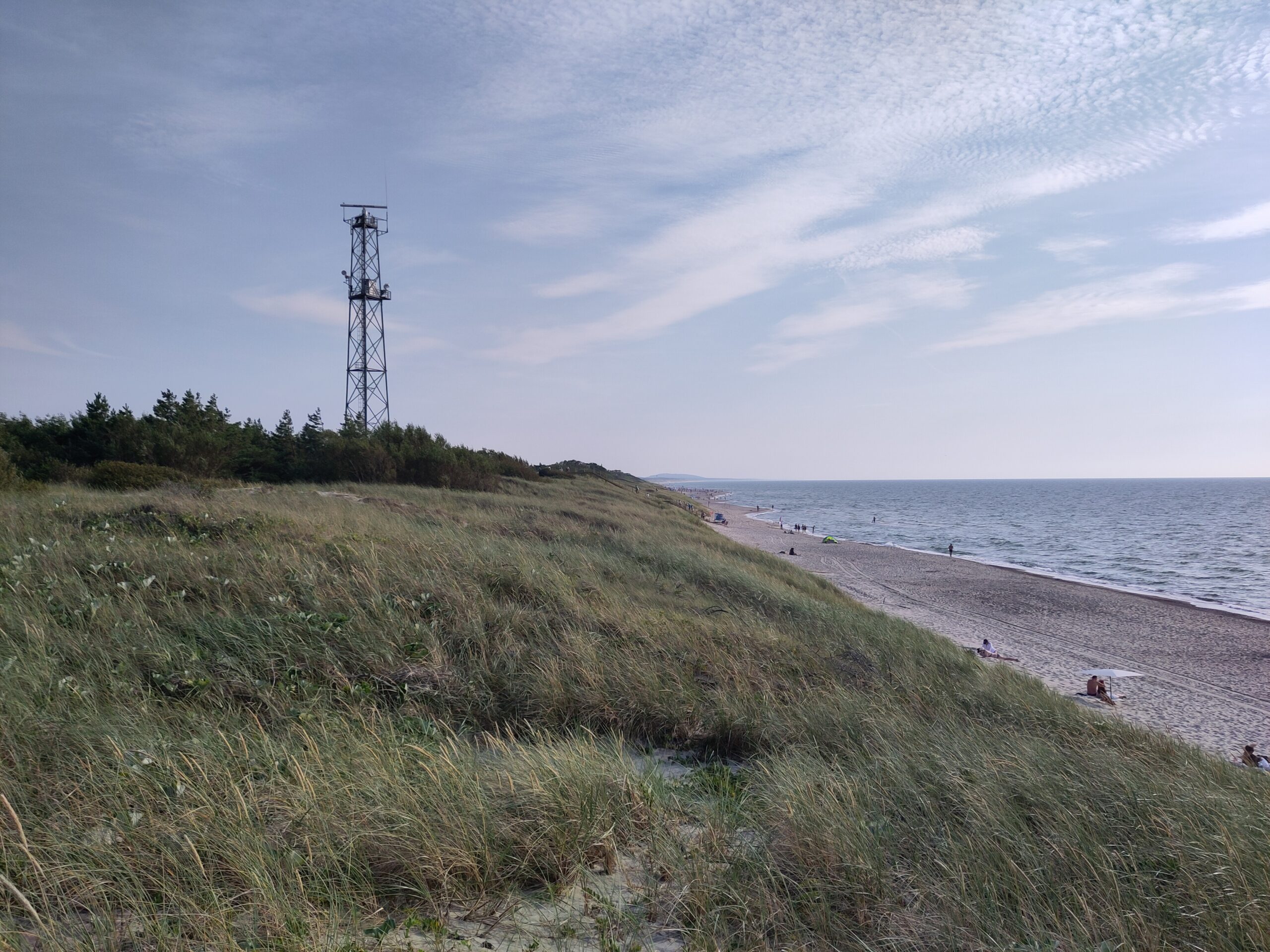
Kaliningrad is a bit of Russia which is geographically disconnected from the rest of the country. It was slightly further away than I thought when I took this picture:
Lithuanian for "thank you" is pronounced "achoo". It is currently my only word. I am faintly paranoid that I've got it subtly wrong or that I'm somehow communicating "sneeze" when I say it.
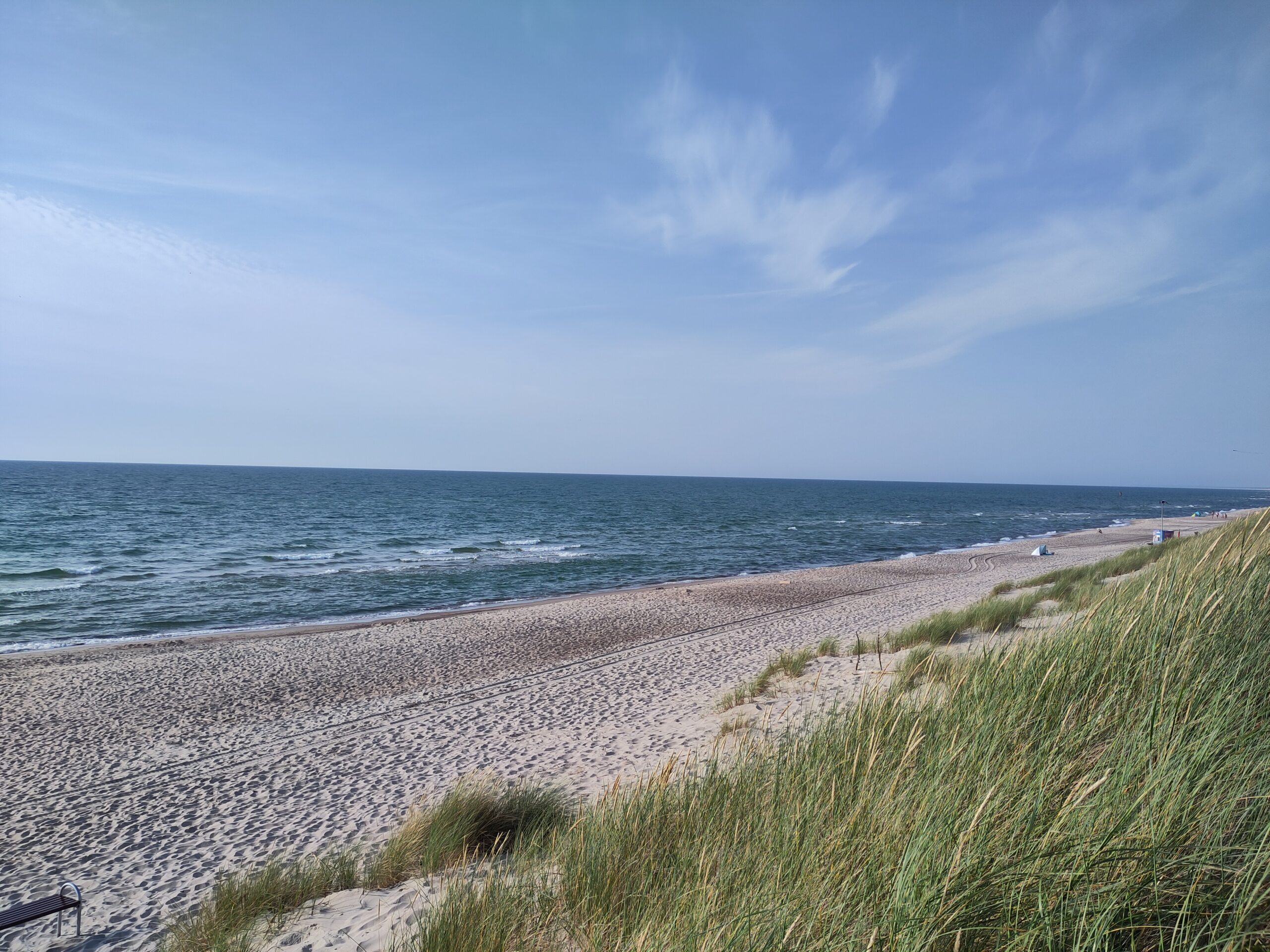
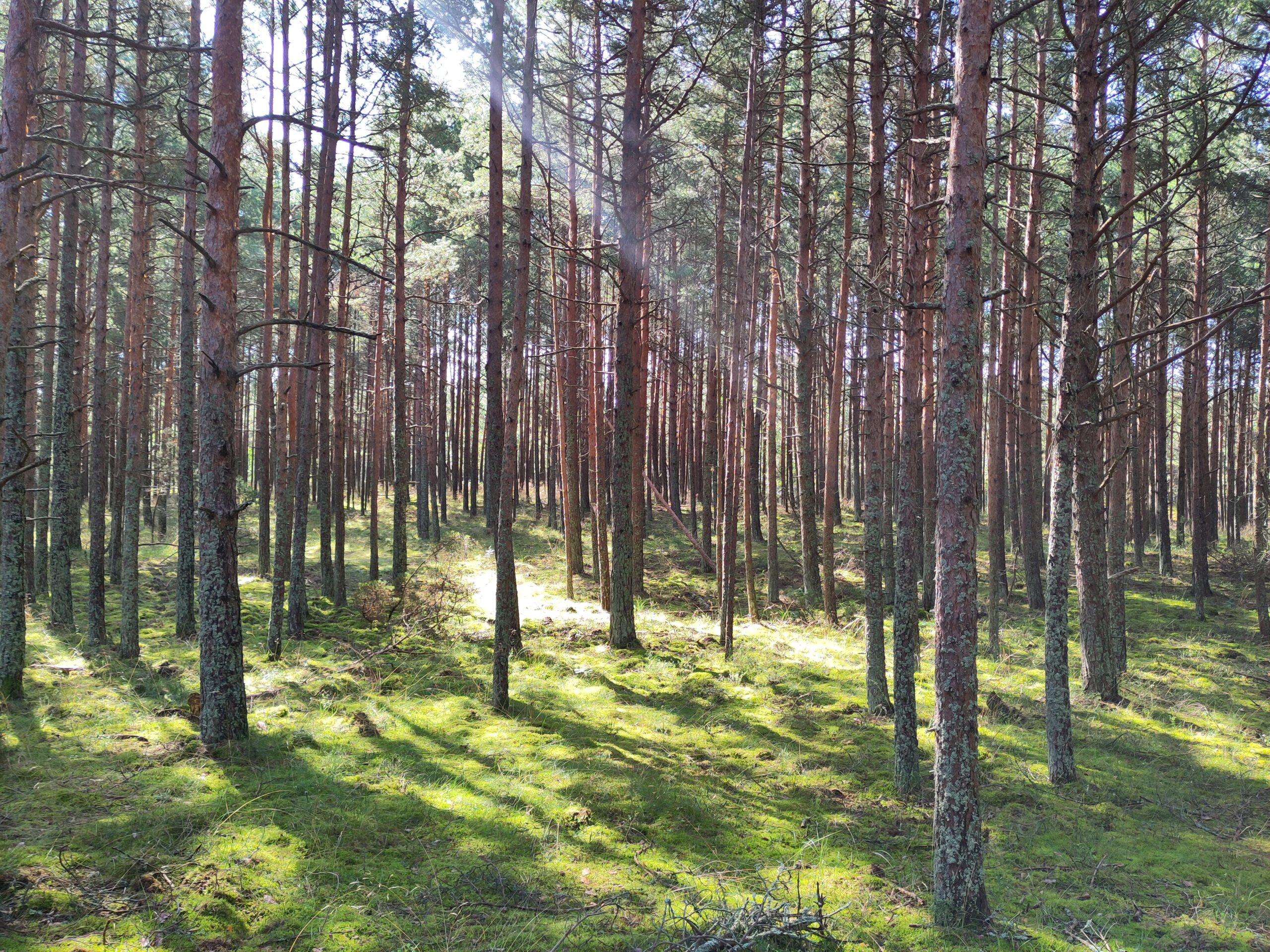
Rented a bicycle. I wanted to suggest riding to the Russian border, but the area is a nature reserve, dominated by a feature whose name translates to "death valley". Rode north instead.
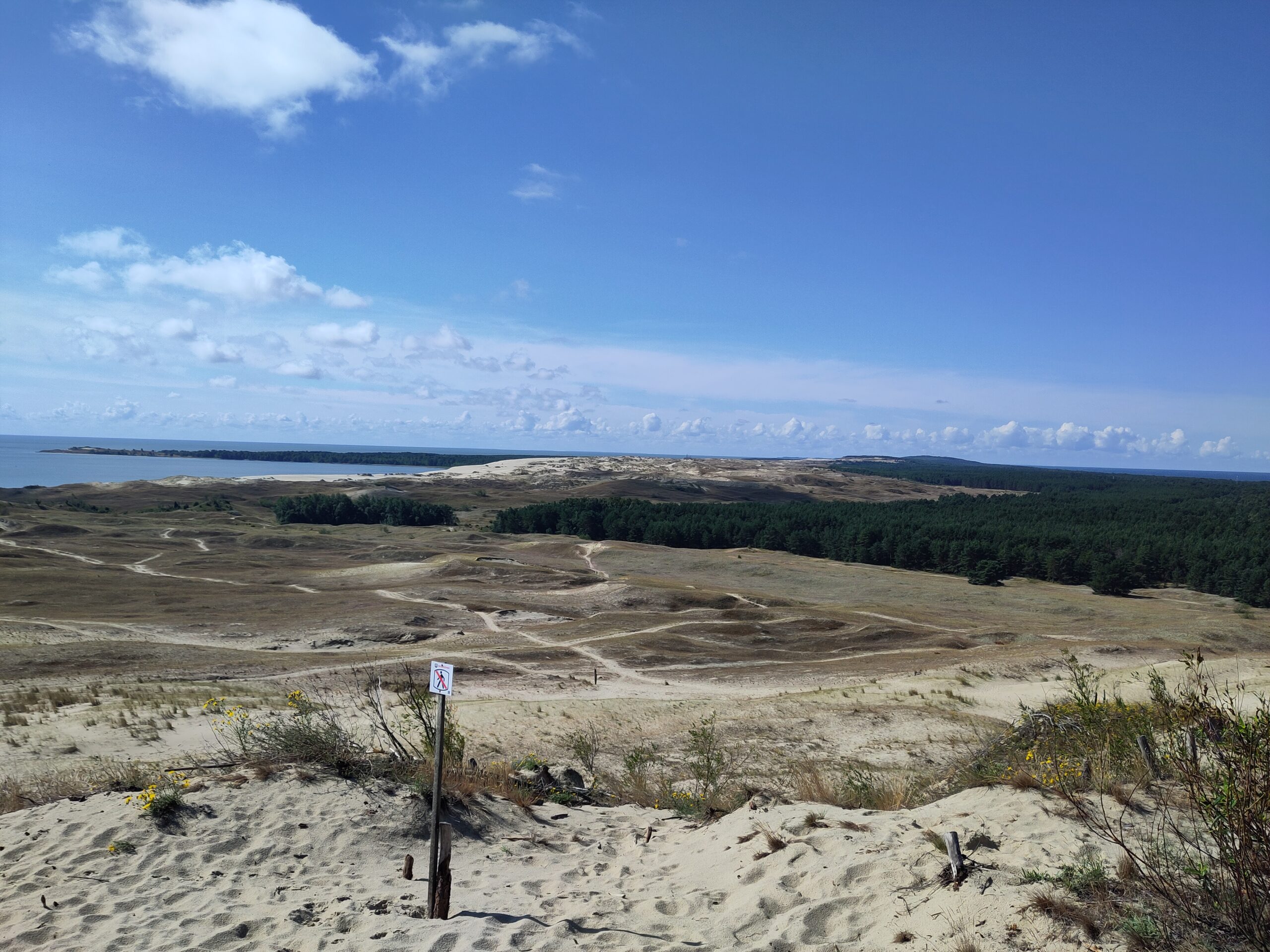
The sand dunes are called “Death Valley” because it was used by Germany as a prisoner of war camp. Not in World War 2, but a previous war, when the Split was part of Germany. They kept French soldiers in a terribly inadequate camp and many died.
Death Valley. On the far side of the dunes is Russia.
The area closest to the Russian border is considered highly protected natural landscape that nobody is allowed to visit. This is also to avoid border incidents.
Vegan food is sometimes unavailable, so I'm eating eggs and milk. Today was such a challenge that I started to wonder if I should eat a fish. I guess my hard boundary is milchig.
I'm not allergic, so I know my stomach will adjust to this situation. Eventually.
Take off before bed. Rub vigorously with hand soap. Rinse thoroughly. Wring out vigorously. Roll in dry towel and forcefully compress. Hang up overnight. Find it's still very damp in the morning. Put on other pair of travel underwear. Hang damp pair from the outside of backpack to allow to dry as you move on to the next destination. Try not to think about underwear flapping from your bag as you ride the bus.
To get a tram ticket simply scan the QR code to visit our website, where you can sign up for an account with your phone number, email address, date of birth and country of residence. You password must include two numbers, a special character, an uppercase character and a lowercase character. Then you can buy a ticket using your credit card. (That form is not translated from Latvian).
To spend the ticket, simply download our android app, which depends on Google play services, which will render your purchased ticket as a QR code for the scanner on the bus.
Or you can use the Latvian interface on the scanner to type in the 37 digit serial number for the ticket.
Tickets give you unlimited rides for 40 minutes and cost €1. Failure to purchase a tucket in advance can result in a €10 penalty fare.
I have a cold for the first time in a very long time. Spent this morning and afternoon sleeping in bed. Went out for a late lunch on a terrace. Went back to the hostel to lie awake in the bed. Its a private room with a shared toilet.
I did not bring a mask of any kind and I don't want to make anyone sick, but also absolutely nobody is wearing a mask anywhere. A man coughed on me on the bus.
Anyway, I got a covid vax several days before I left and also this just feels like a cold.
I finally got the city app to install and its showing the bus ticket I purchased. It also has a list of every civic event going on, including art exhibits and concerts. Its really very good.
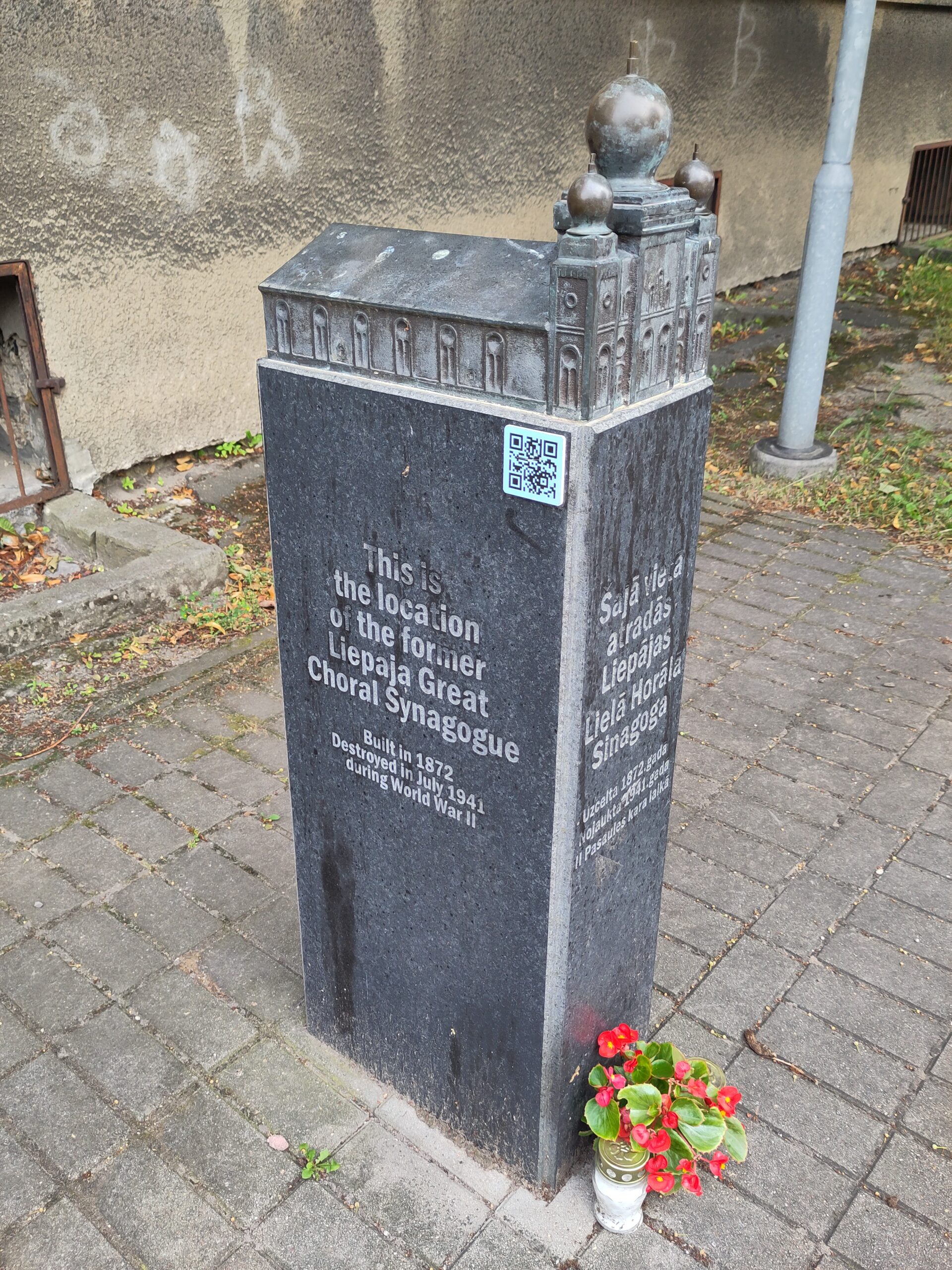
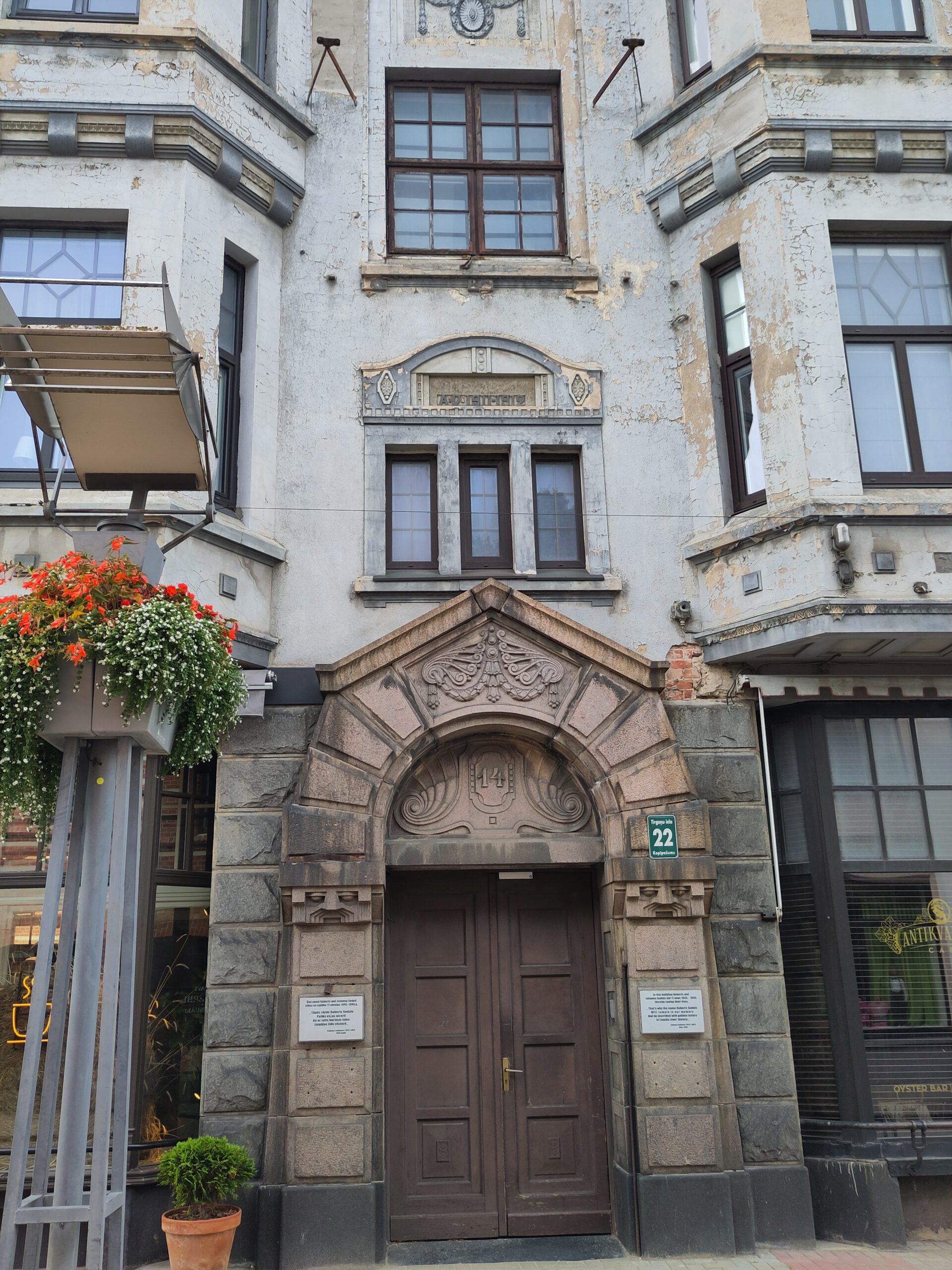
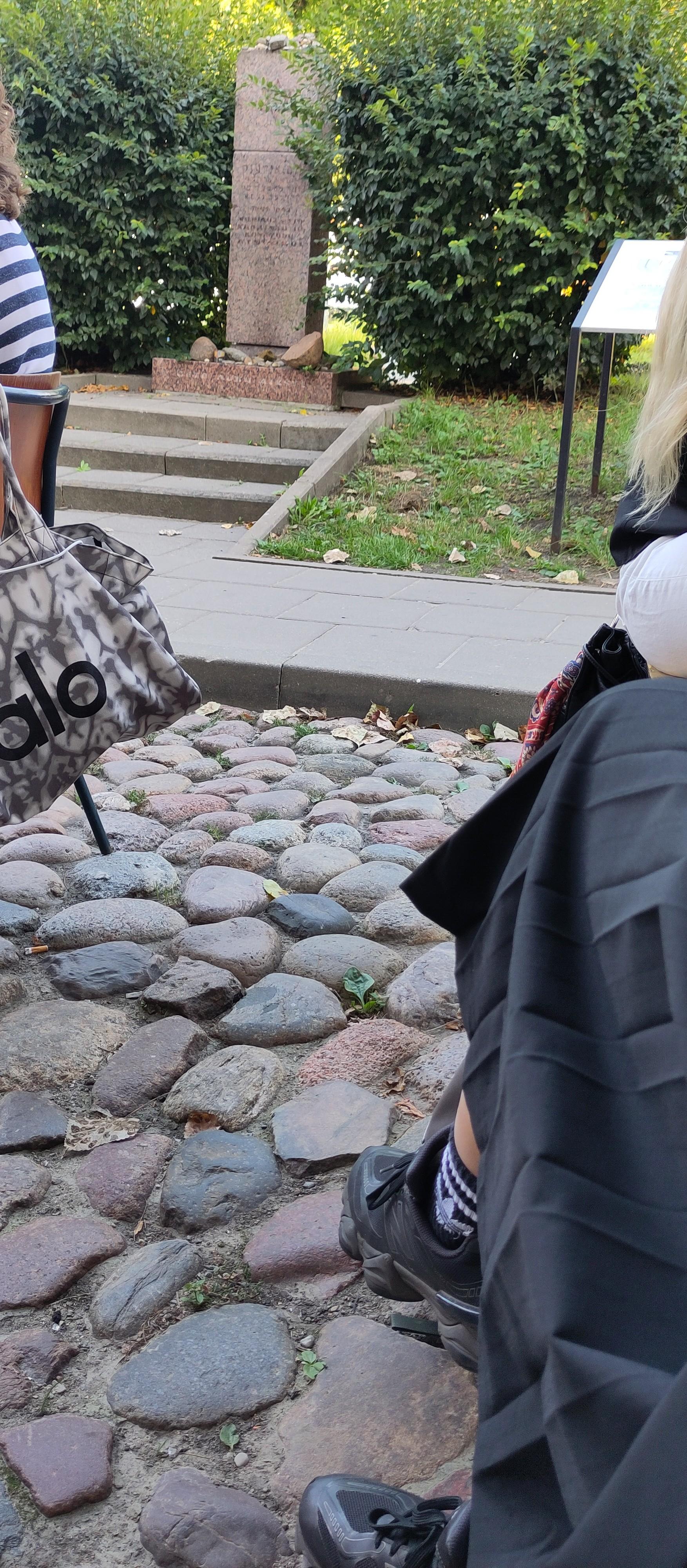
The formerlocation of the Great Choral SynagogueThe historical marker says: In this Building Roberts and Johanna Seduls hid 11 Jews 1943-1954, thereby saving their lives. “That’s why the name Robert Seduls will remain in our memory and be inscribed with golden litters in Liepaja Jew’s history” = Kalman Linkimer (1912-1987) May, 1945
I felt well enough for a three hour bus ride today, so now I'm in Riga. I barely saw Liepaja, but my spouse had seen everything twice.
Riga is recognisably a European capital city and so is full of museums big and small. I went into the KGB museum and it did rather strongly make the case that Stalin was not a good guy.
The Soviet Union invaded Latvia in 1940 and then a year later, Nazis invaded, then the Soviets came back. The museum mentioned that the Soviets arrested a lot of people both times. They failed to mention that in 1940, virtually every leader of the Jewish community was deported to Russia or sometimes Siberia.
There is an argument that the leaderless community was therefore unable to prepare for the Nazi occupation, but how could they have prepared? Thousands of Jews were shot. Massacres in Latvia were filmed.
However, the KGB museum failed to say anything at all about the Nazi period and skipped ahead to the Sovet return.
After the end of the war, Jews who had been deported did return. Most of the Latvian Jewish community is descended from former exiles. This was not in the museum.
The museum mentioned that some "ethnic groups" were harassed by the Soviets but failed to mention which groups. It did include a Jewish woman in a case study. The Soviets said she'd been spreading anti Soviet propaganda while hiding from Nazis in the west….
The silences are concerning.
On the other hand, new monuments are being dedicated at a rapid rate. I saw one in Liepaja that was less than a week old. It quoted God's promise to eunuchs, "I will give them an everlasting name" (Isaiah 56:5) in several languages.
New monuments are also being placed this summer in Riga and around the Baltics. One was placed in Klaipeda an hour before our ferry arrived last week.
Its a long time to wait for a monument while still being ignored in the museums. Why is this happening now?
This evening, I saw an amusing flyer for a show and started to take a picture of it, until my spouse noted that the name of one of the bands was 'Holocaust' followed by a parenthetical statement of support for Gaza.
I do not have a picture.
When I wrote the post linked at the top, I have to admit I was more envisioning people making a rhetorical point in a post, not making it their whole musical identity . . . And in the anglosphere, not in a place where people in the 1940s filmed themselves shooting thousands of Jews at close range in mass executions. How much did the (great) grandparents of the band members collaborate with the actual holocaust???
….
My spouse says this is all just background noise in Eastern Europe, which I shouldn't let get to me.
I didn't want to hit rewind on the audio tour, but I think it said that when the Soviets arrived, they helped arrange for Jewish prisoners to be moved west to death camps?
[Edit: I'm having trouble finding confirmation of this. I may have misheard.]
The synagogue in Riga has 8000 members and is the largest in the Baltics. The building that hosts the museum also has a JCC, a library and other cultural institutions. There is a large Jewish school.
As soon as the Soviets left, they got some historic buildings back.
Without wishing to minimise the trauma of the Shoah, it wasn't the end of the story. The museum's founder was a survivor who escaped to join the partisans and fight for liberation.
Anyway, Stalin's pact with Hitler was partly because they shared values in common. Yeah, they eventually defeated the Nazis, but how far would the Reich have gotten if the Soviets had opposed them from the start?
And also: The Soviet sponsored Communist Party USA did a lot of really important and good work in the US civil rights movement. They were heroic, really.
But the Soviet record on civil rights was less straightforwardly good in places they actually had power.
And by contrast, people who admired the US from afar had material reasons for doing so.
So, like, communism and barbarism has often not been a binary opposition. ….
The Betar Zionist organisation was founded in Latvia. A bunch of their belongings were discovered in the woods in 2016 and given to the Riga Ghetto and Holocaust Museum.
Anyway, guess where I'm currently regretting my travel itinerary.
(Yes, the reason that name rings a bell is because they've always been far right and are now aligned with Trump. Their fascism didn't save them before and it won't save them now.)
And yeah, Zionism always ends up entangled with Shoah memorial stuff because of the history of the 1930s and 40s and, to be real for a minute, organisations reflect the political priorities of their funders.
Edit: The fate of the Bundists is less explored, but their association with Soviets made their whole deal much less appealing after Soviets actually arrived.
Doom algorave is in a garden with seven audience members, a few people just relaxing, an old school punk walking around everywhere very purposefully, and a children's birthday party.
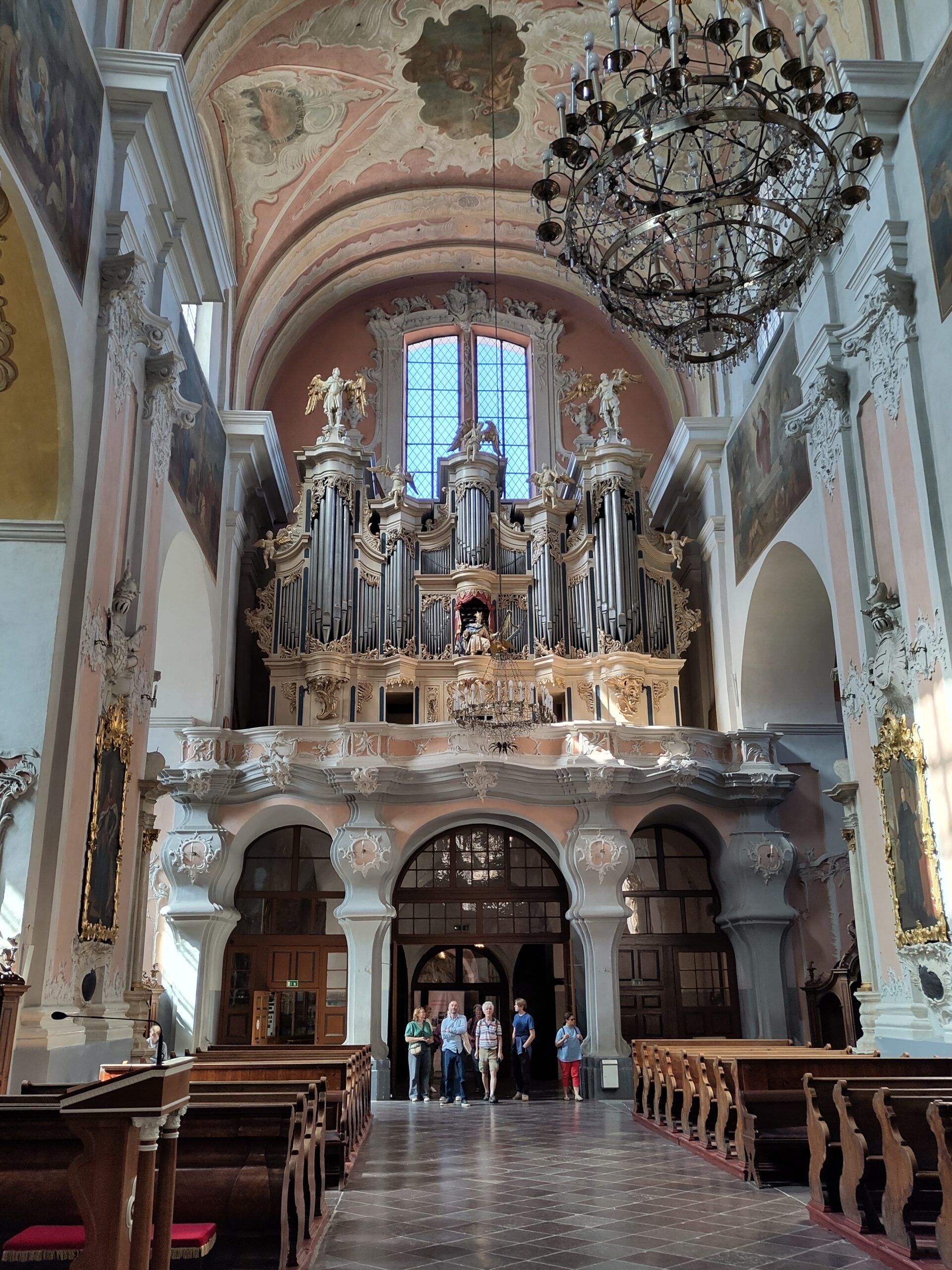
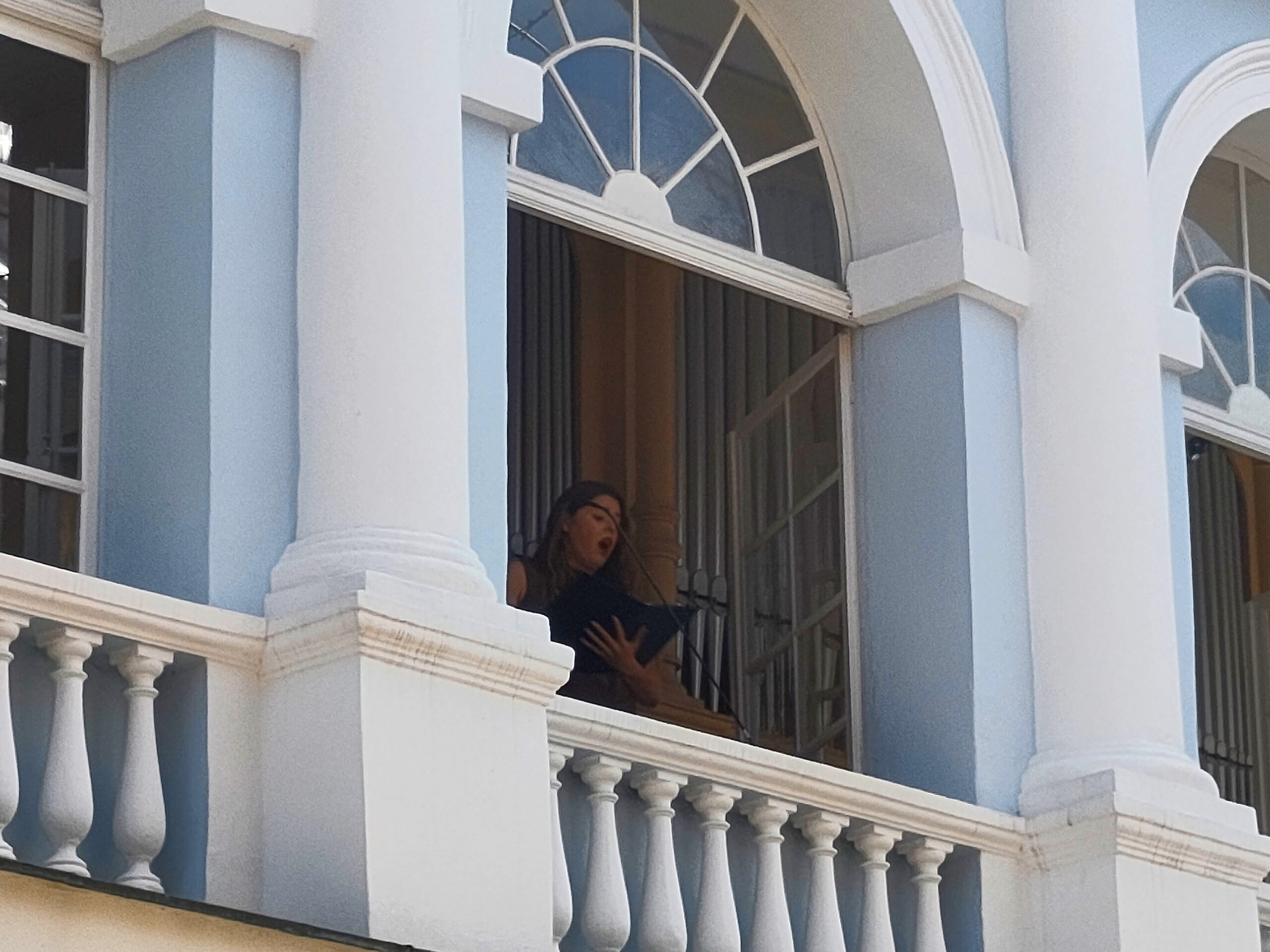
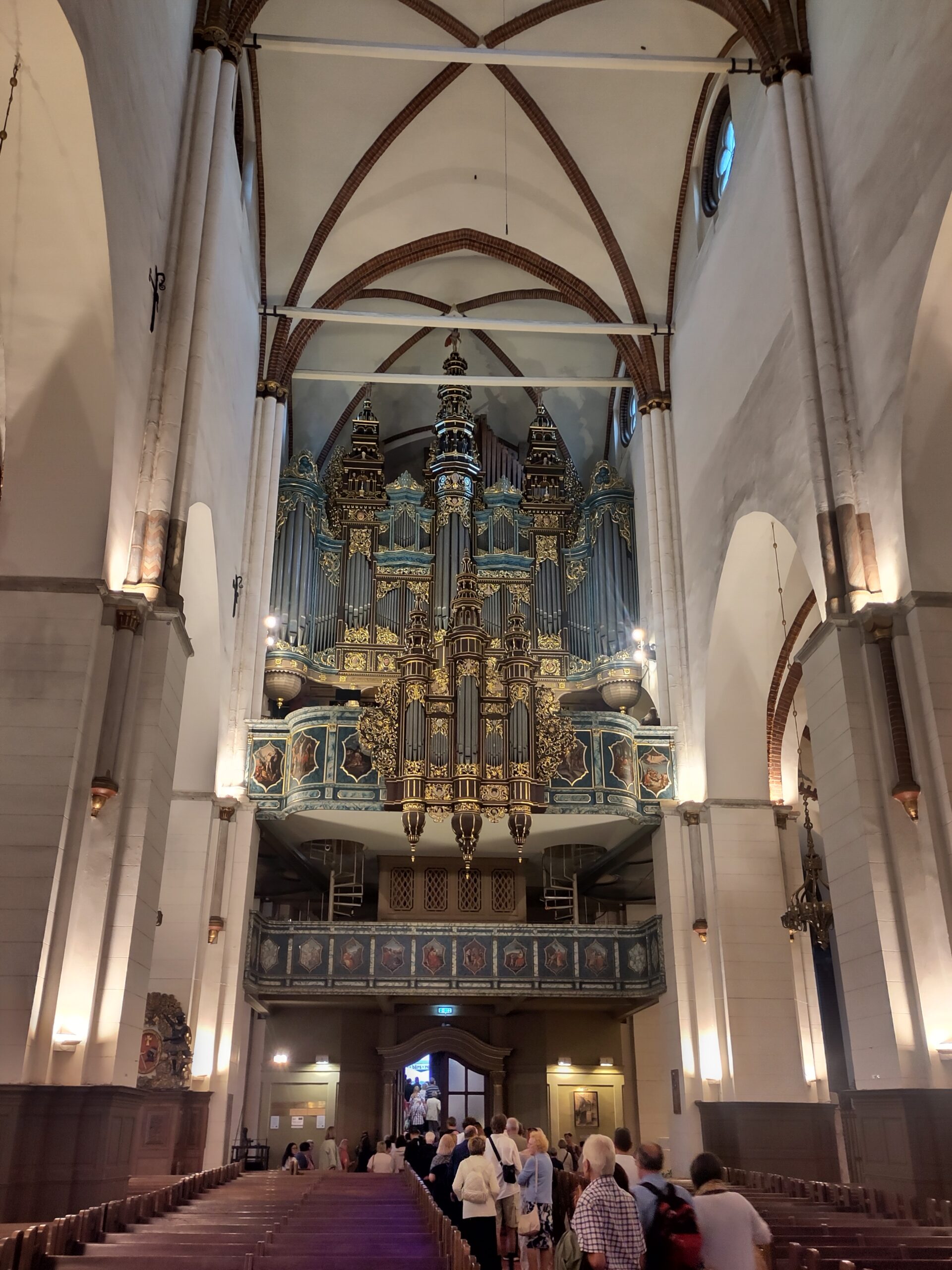
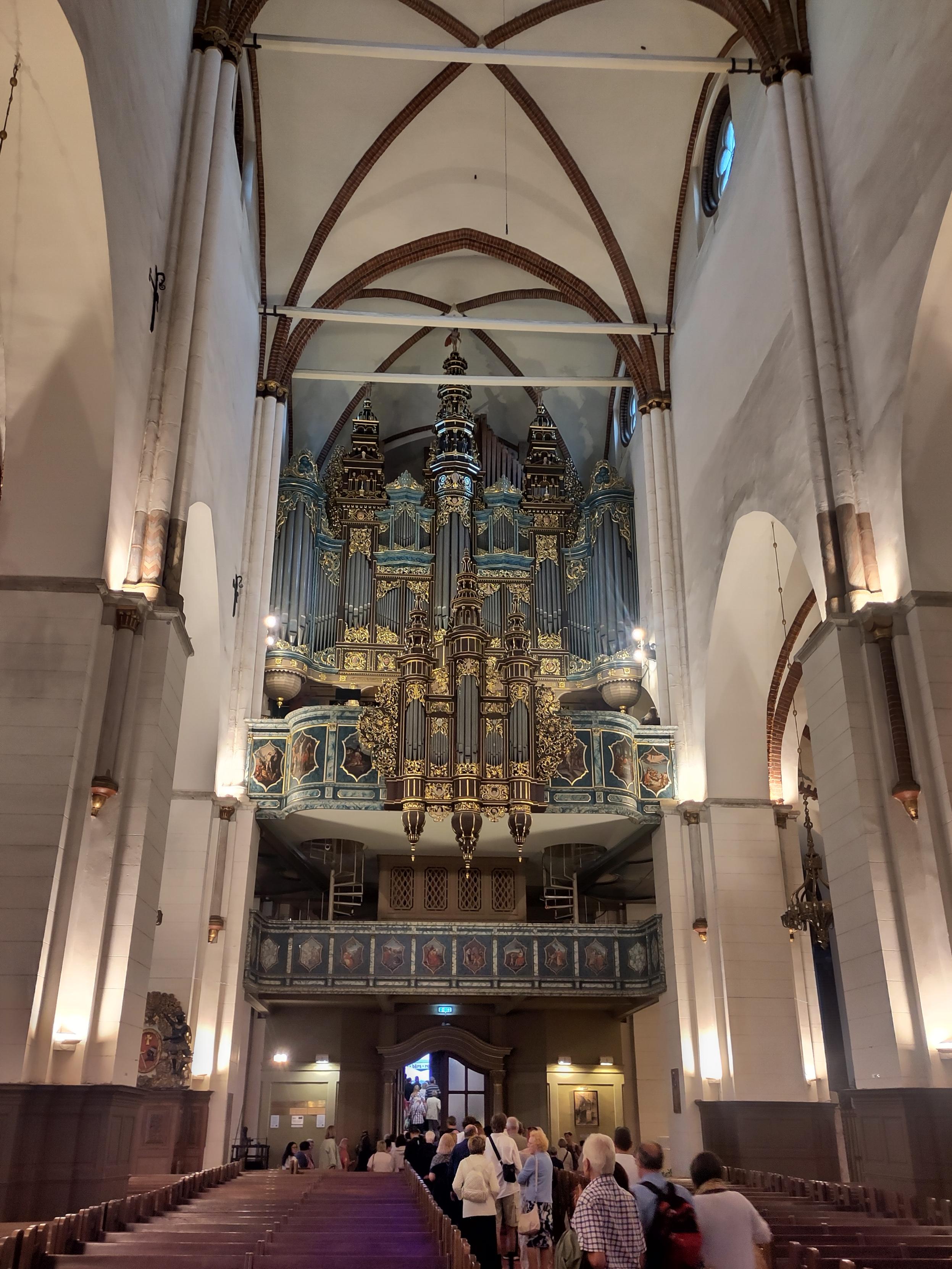
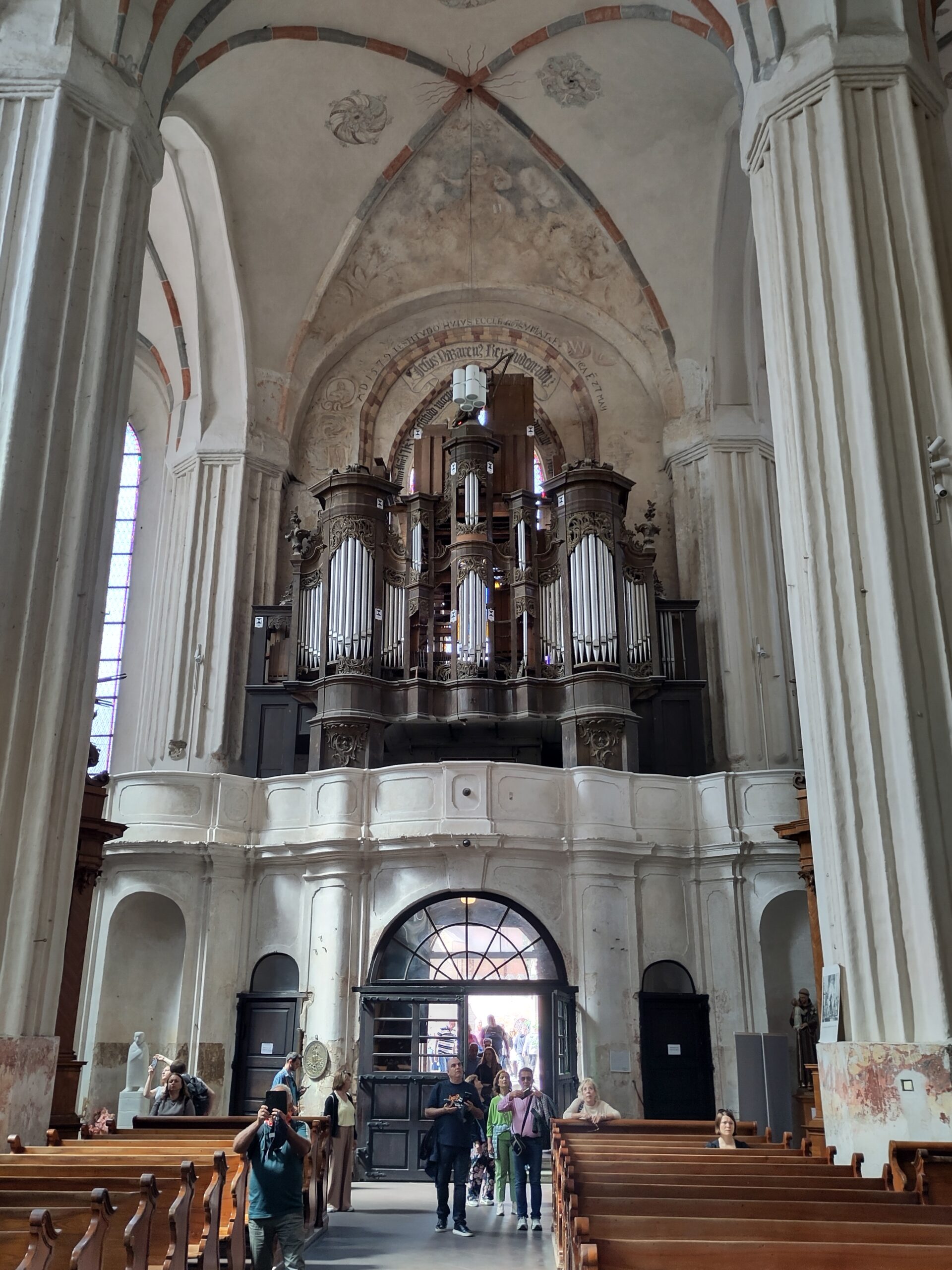
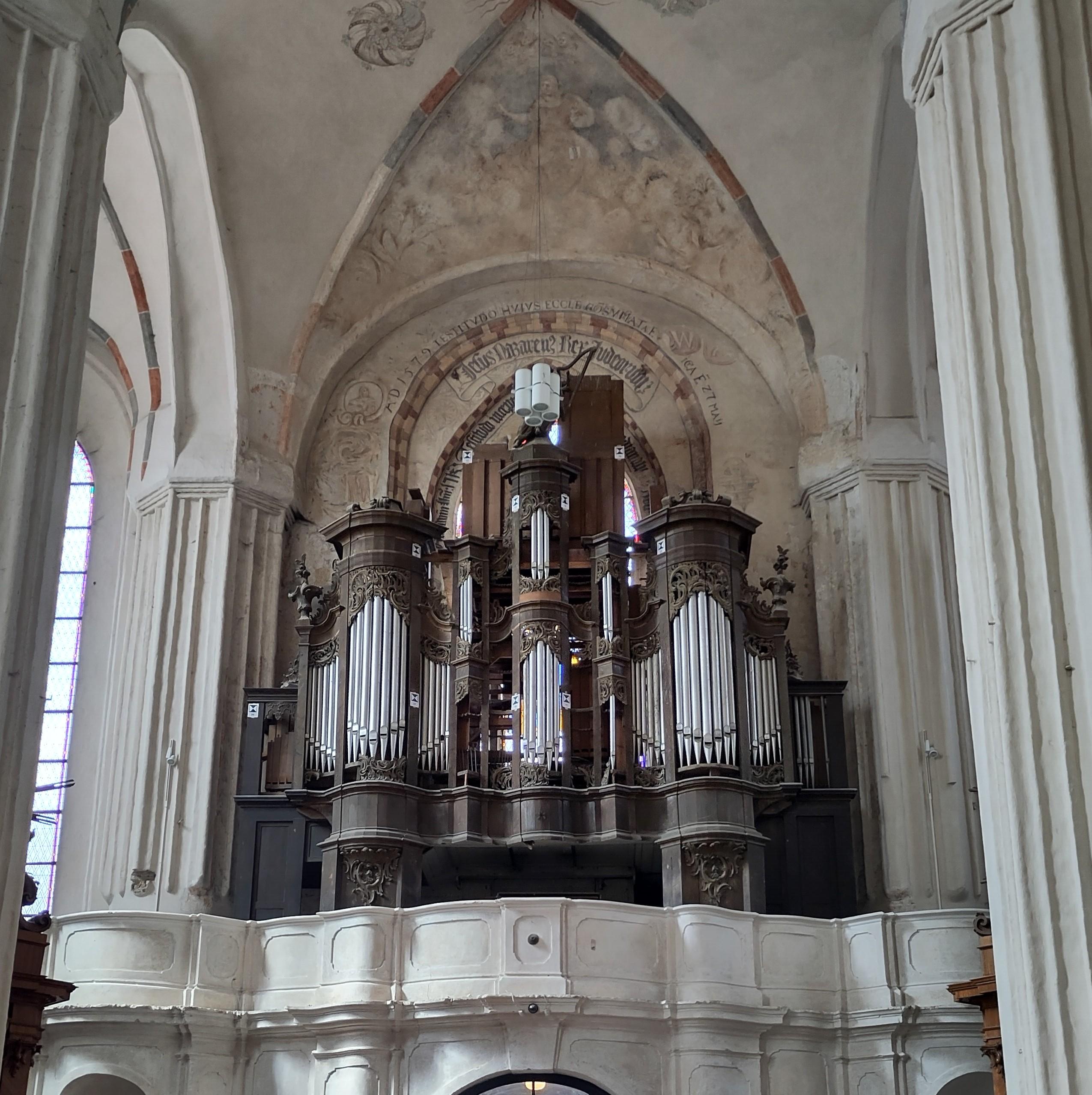
And an organ concert on one of Europe's largest and most notable church organs. Almost all of the music was secular and by a Latvian composer, Imants Kalniņ (writer of the USSR's first rock opera). The other two pieces were by Aster Piazzolla.
Walking through the underpass on the way to the coach station and somebody, quite recently, drew some swastikas. And another person with a big sharpie turned them all into wrapped presents and wrote some words.
Top work by the second sharpie-ist. Brilliant praxis and fast.
Obviously, it would be better if it weren't needed, but I'd already gathered this is a place where it is needed. Now I know its a place where people step up and do it.
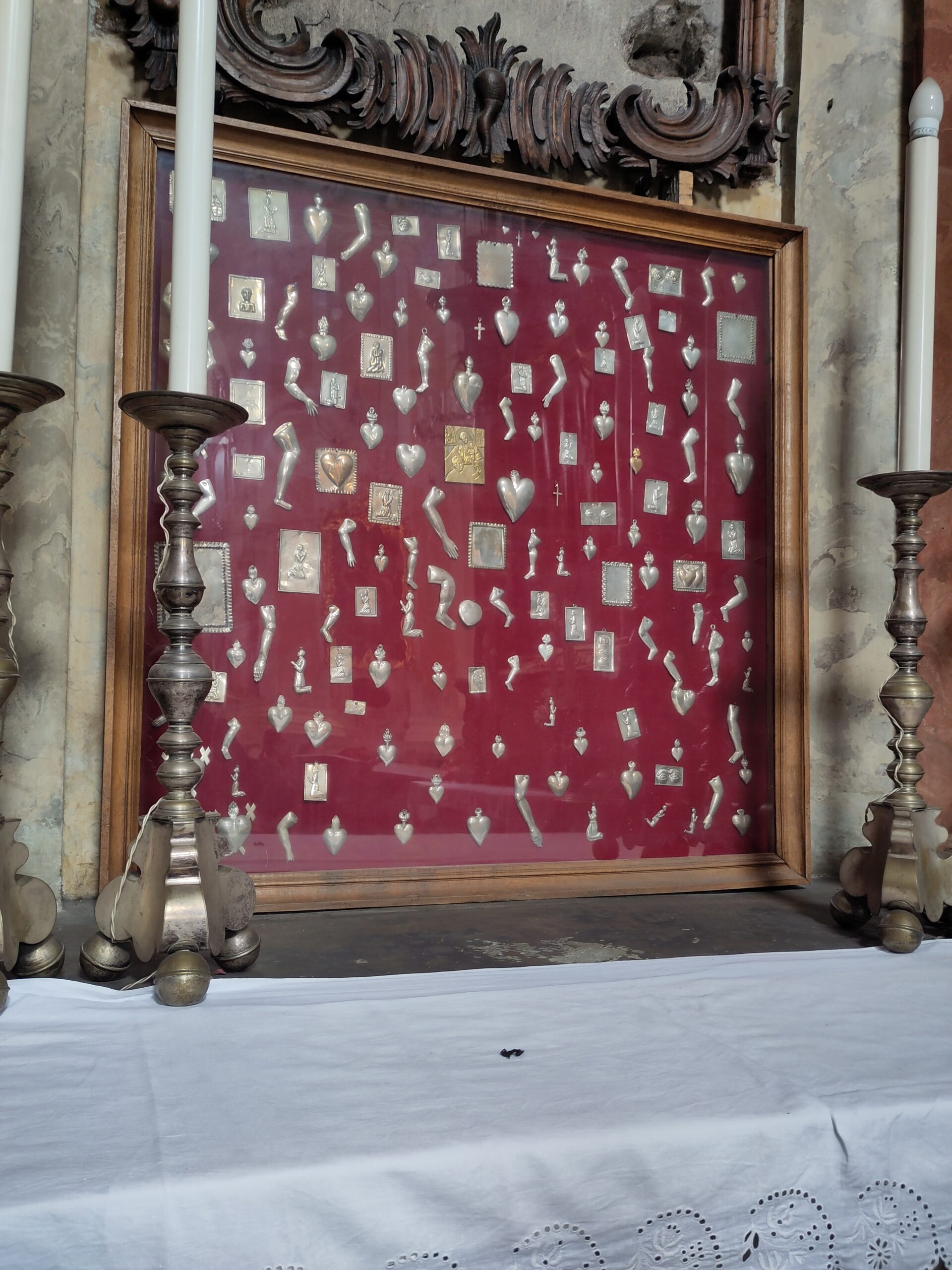
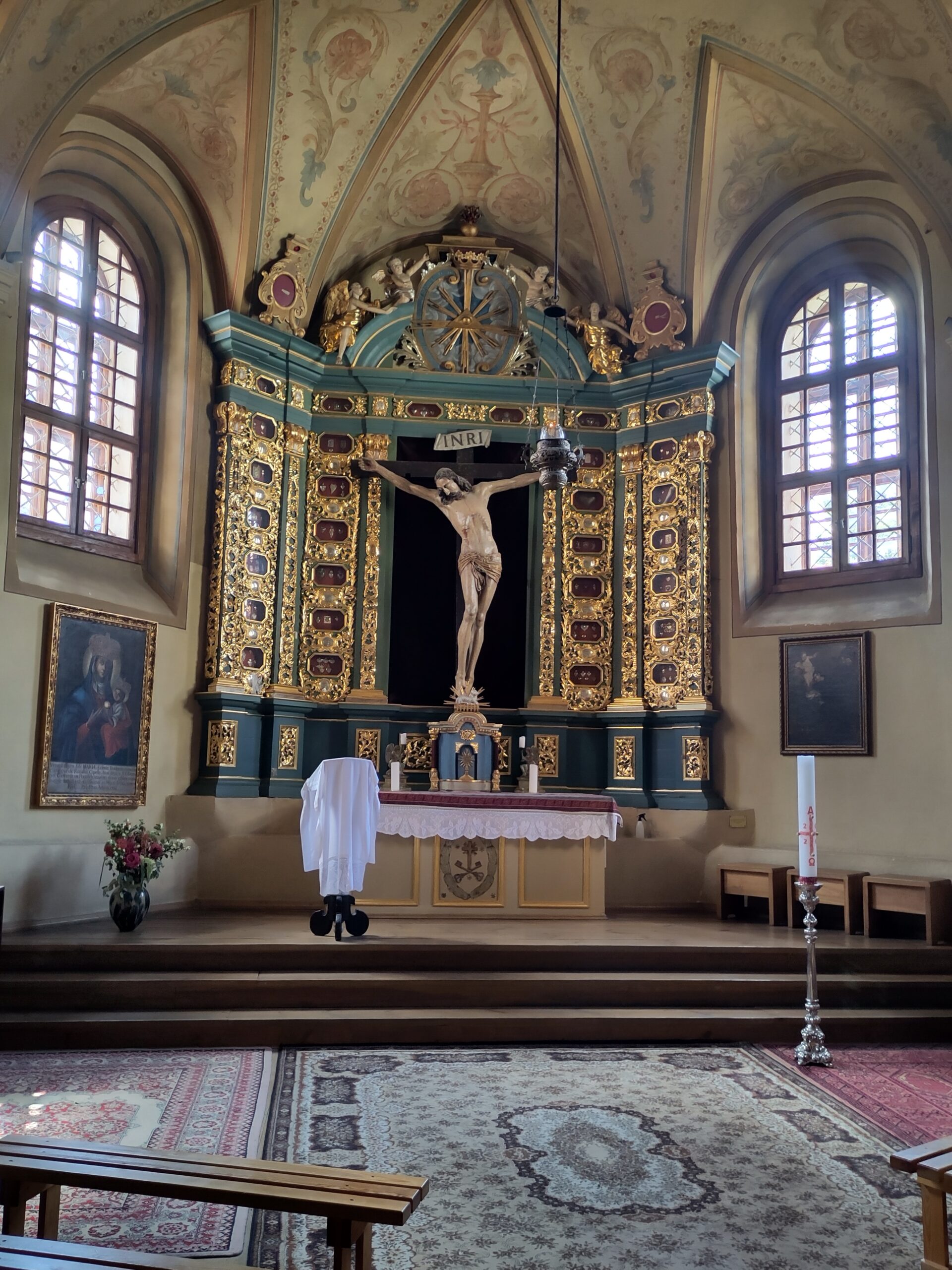
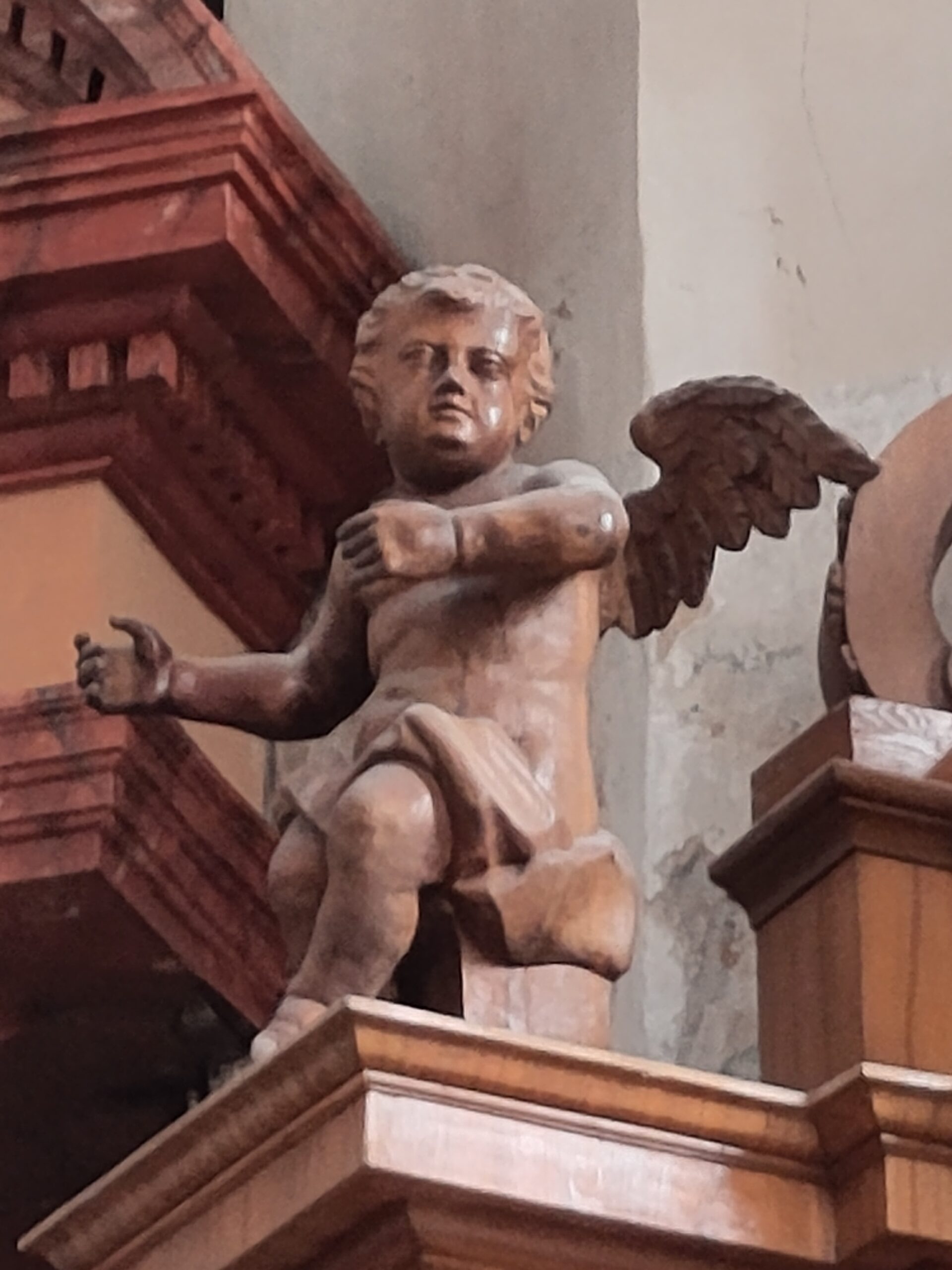
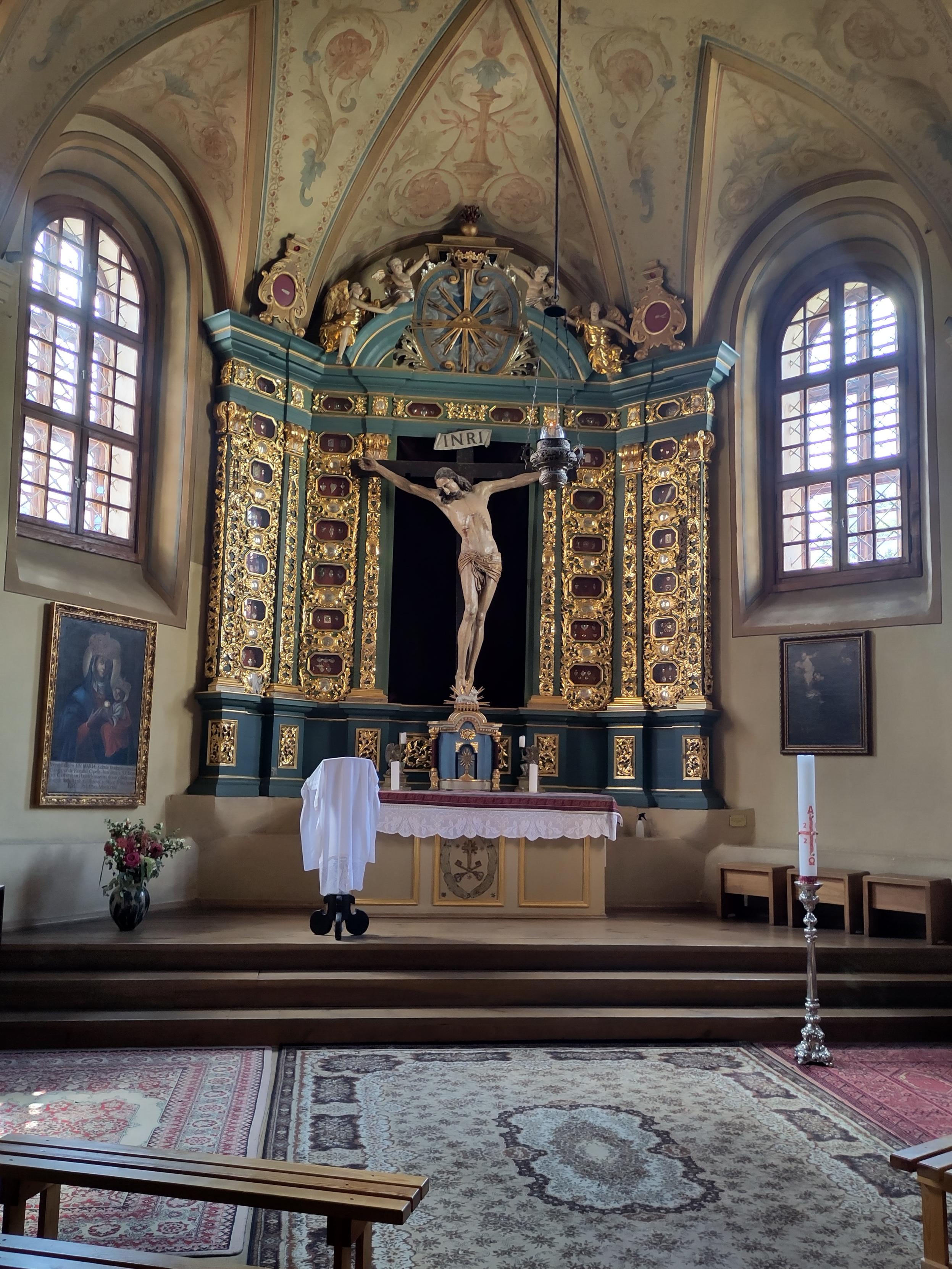
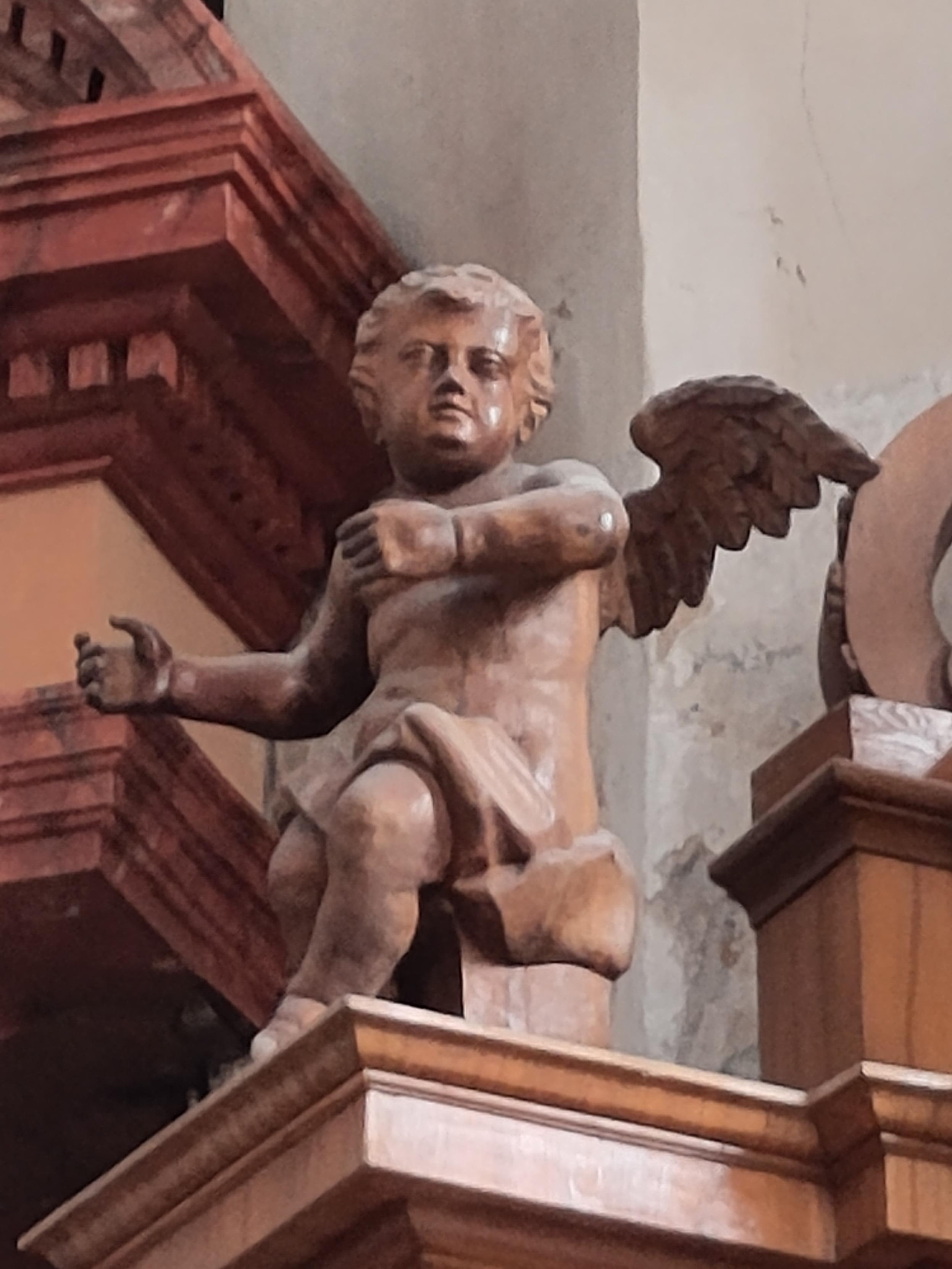
One of the churches had a lot of relics. I think, though, they were third class relics. Little medals given out to people who do pilgrimages. They also had a cherub that looked strangely like Trump.
White US liberals like people to know they're one of the good ones, which they broadcast by speaking too loudly about their political opinions, so everyone around them can eavesdrop and know they're ok.
Which means every time I go into a tourist café (which is where one finds the vegan food), I'm surrounded by people shouting about Trump.
Look, my people, everyone is ready to assume the best of you, so you can just talk at your normal, already quite loud, volume.
Also, trust me, the solution to the world's problems doss not include white US citizens taking up even more space! Nobody hears you talking too loud and thinks 'oh thank goodness, that person is normal and ok.' Practice speaking more softly.
Everything queer is perpetually new. We were invented last week. Everything Jewish bears the weight of centuries, even if it's a thing that started within living memory.
When queers talk about Weimar, they emphasise the good times, the bars, the freedom. They don't talk as much about what happened to them/us next.
When we talk about police raids on bars, we go in to talk about Stonewall and other riots. We are always talking about resistance and freedom.
I'm not saying this is the right thing to do. I don't know if we've settled on a way to talk about AIDS. Indeed, I have my own memories of that time. But I suspect it will be like the film '120 BPM'. Partly I think this is because Christian majority culture can't cope with loss and doesn't know how to memorialise.
I feel like queers could learn from Jews how to incorporate AIDS trauma into shared memory and Jews could learn from queers on how to contextualise.
The Jewish museum in Vilnius does a better job of this than the one in Riga. Especially the shetl nostalgia was well presented, if somewhat idealised.